
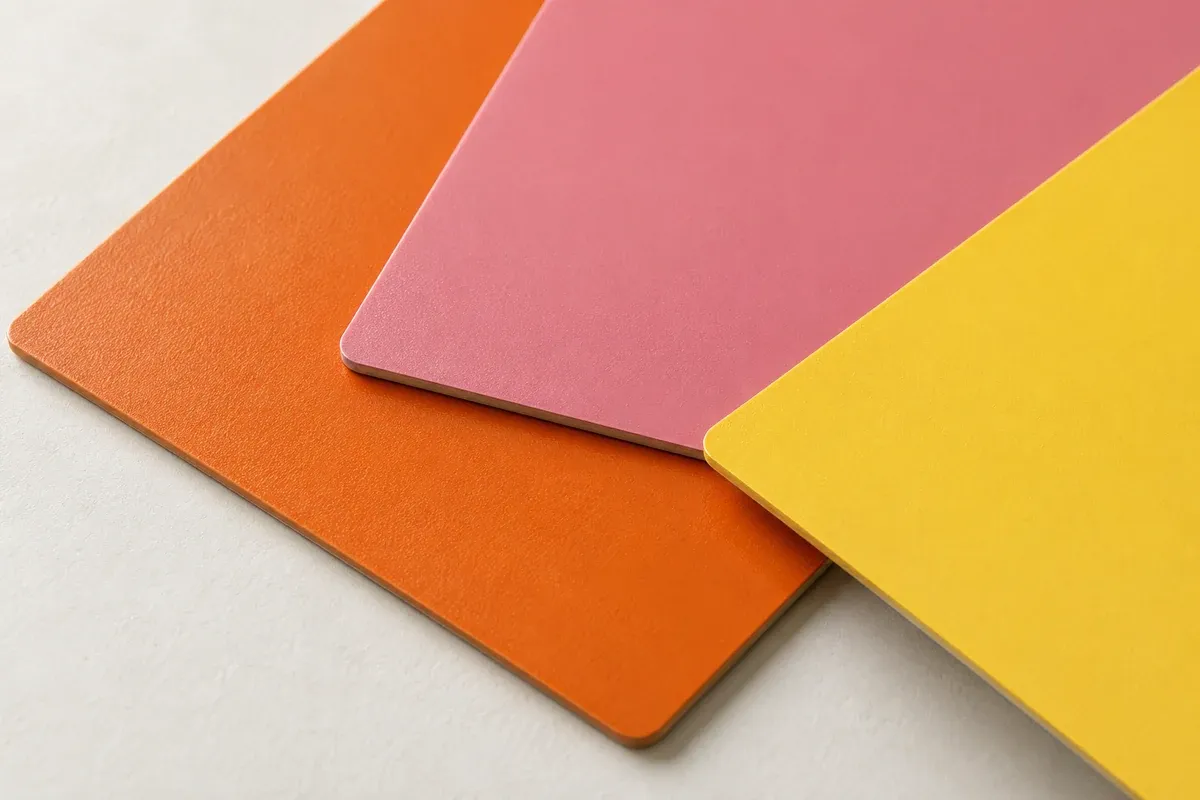
Fluorescent vs Phosphorescent Pigments: Specify the Light Before the Colour
Separate excitation, afterglow and lightfastness before selecting a coating pigment. Define the light, panel conditions and actual fluorescent grade.
Read more
Materials on the selection of raw materials and functional additives for the paints and coatings industry, component compatibility, technical specifications, applications, product selection, and documentation. This section covers MOSINTER's own products and select international brands in our distribution.
Separate excitation, afterglow and lightfastness before selecting a coating pigment. Define the light, panel conditions and actual fluorescent grade.
Read more
Separate MFFT, Tg and finished-coating application conditions before comparing waterborne binders or planning a grade substitution.
Read more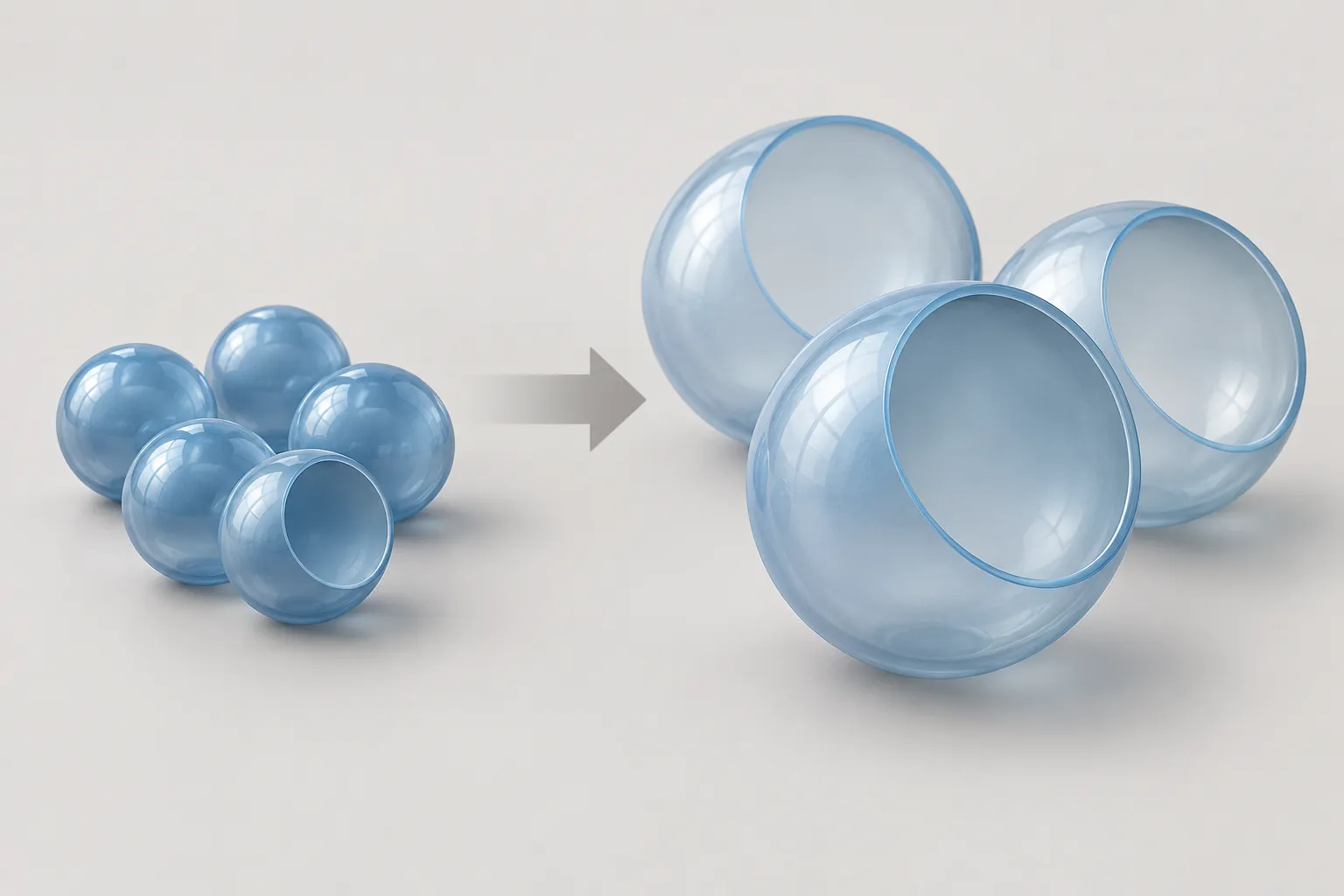
Separate expansion state from wet or dry delivery, then qualify the process, dose basis and density endpoint before selecting a microsphere grade.
Read more
Distinguish a material melting point from grade-specific incorporation, then qualify shear history, recovery and application endpoints before scale-up.
Read more
Choose a silica grade around coating rheology, film appearance and incorporation evidence, without assuming equal BET or equal-mass substitution.
Read more
A lower gloss reading does not automatically identify the better wax. Match the coating system and test conditions, then judge appearance together with the surface properties the application needs.
Read more
A practical foam-and-film screening sequence for waterborne coatings, with incorporation controls and a supplier-ready sample brief.
Read more
Turn an epoxy hardener shortlist into a comparable formulation trial, with clear mix-basis, cure endpoints and supplier confirmation.
Read more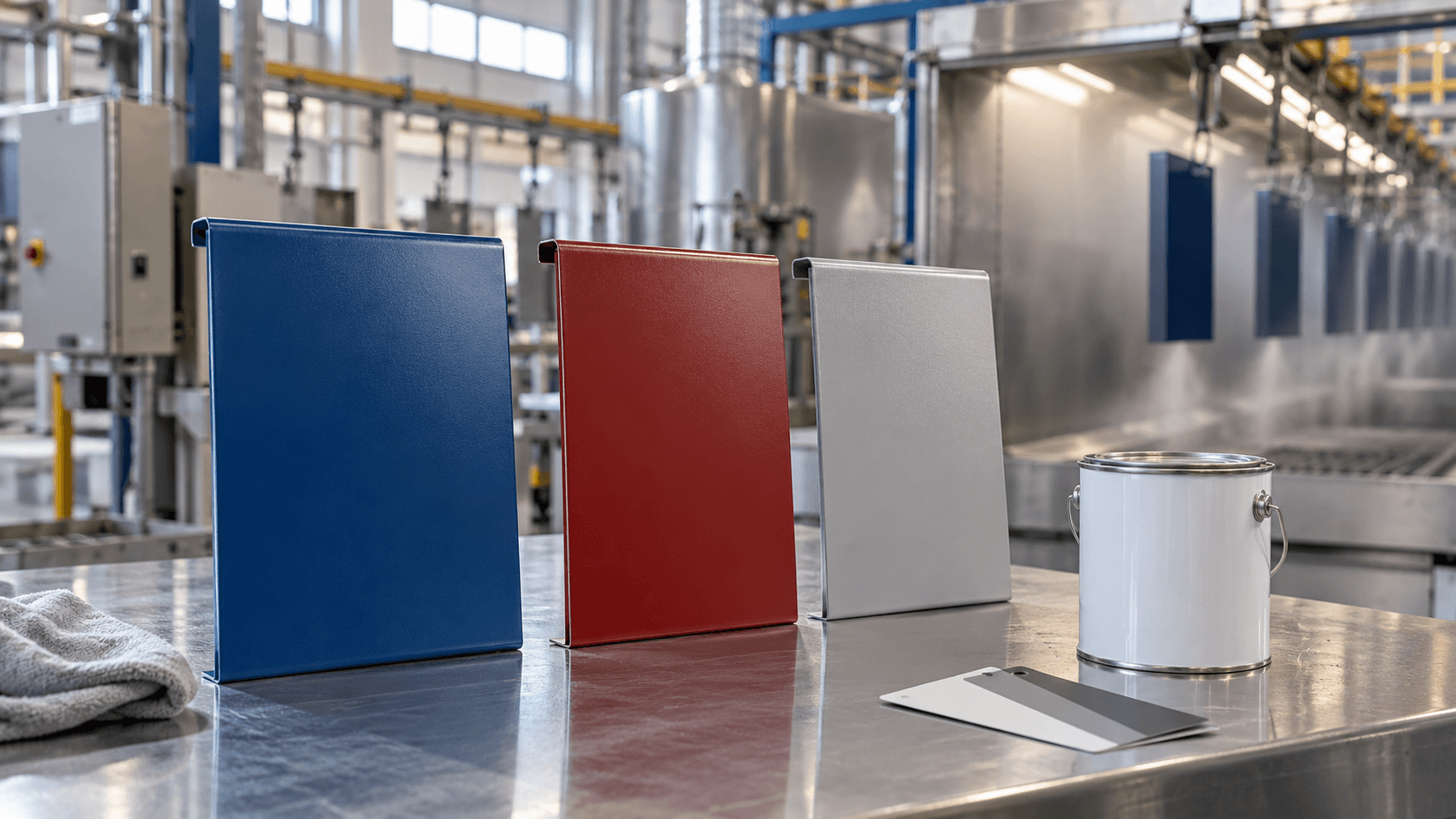
Specify colour, hiding or protection separately, then agree a grade-specific coating trial before ordering pigment samples.
Read more
A dispersing agent for paint must help the pigment remain dispersed in the actual binder and liquid phase after grinding and let-down. Shortlist it from the formulation and the failure being corrected: poor color development, flocculation, excessive mill-base resistance to flow or storage instability. A waterborne label or a matching trade-name description is not sufficient evidence of compatibility.
Read moreNo published articles are available in this section yet.